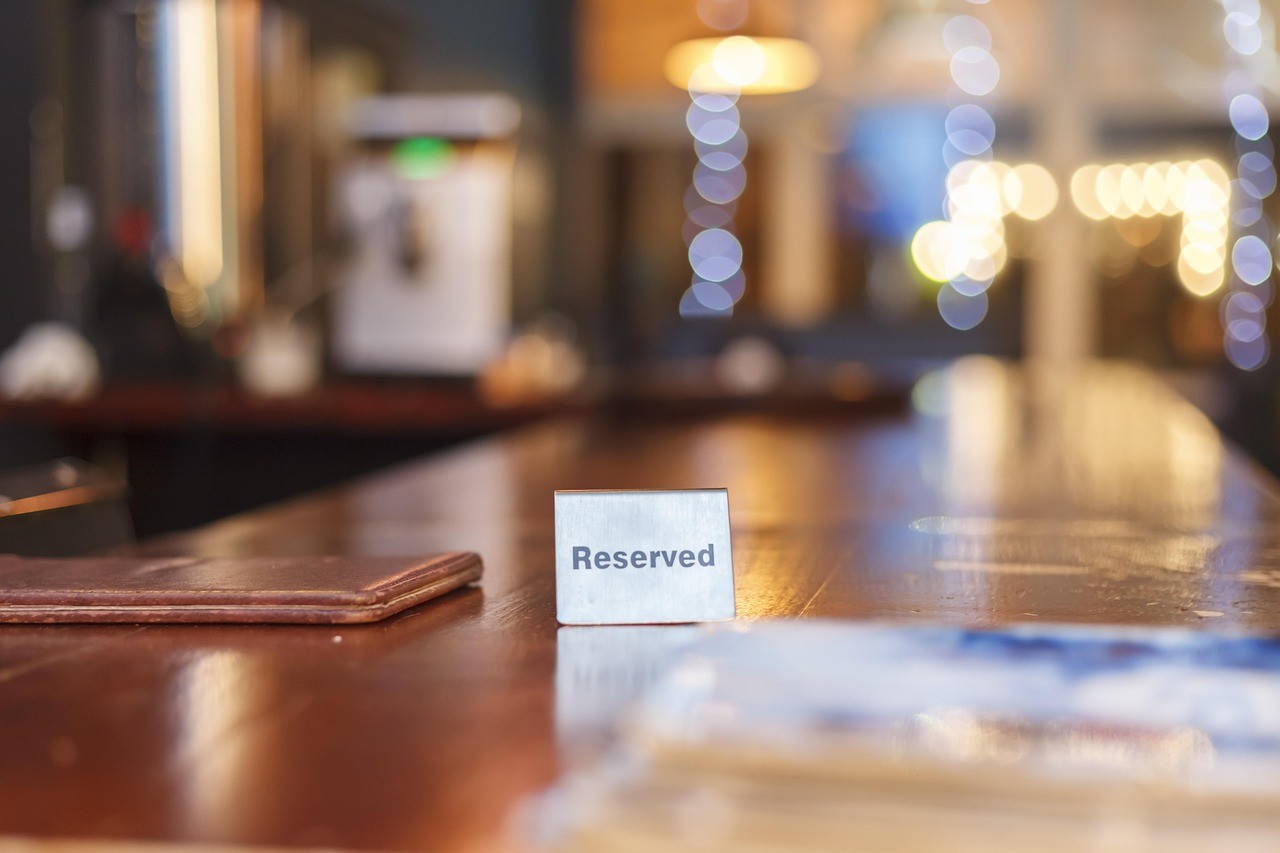
Somewhere between 2019 and now, booking dinner turned into a market. Tables at the restaurants people travel for are inventory, that inventory has a price, and for a while the people making money from it were not the restaurants. This year the ground moved again: one of Europe’s booking platforms announced it is closing, an American card company set about buying most of the others, and the first law anywhere aimed at reservation scalpers has been in force long enough to see whether it worked.
None of which is trivia if you are planning a trip around a few good meals. Here is what has changed and how to use it.
The platforms are consolidating fast
If you have booked a table in Germany, Italy, Austria or the Netherlands in the last decade, you may have used Quandoo. It is closing. The Berlin company, which listed something like fifteen thousand restaurants across eleven countries, announced a phased wind-down in March, stopped taking new bookings at the end of September and will switch off entirely by the end of December. Existing reservations are being honoured, and the restaurants themselves carry on as normal, but the app is going.
At the same time American Express has been assembling the opposite of a wind-down. It bought Resy in 2019 and Tock in 2024, and in February it announced that the two would merge under the Resy name, roughly doubling Resy’s list to more than twenty-five thousand venues and retiring the Tock app. In June it went further and said it intends to buy TheFork from Tripadvisor for seven hundred million dollars, which would add more than fifty thousand European restaurants. Put together, that is a dining network of around seventy-five thousand venues in the hands of a card issuer, against OpenTable’s sixty thousand or so.
For travellers this cuts both ways. Fewer apps to install is a genuine convenience, and Tock’s better ideas, prepaid tasting menus and tiered experiences, are being folded into a platform with far more restaurants on it. The trade is that a card company now decides which restaurants are easy to discover, and it has an obvious interest in steering you toward venues where its own dining credits apply. Treat platform rankings as marketing, not as a guide.
Somebody was selling your table back to you
The reason any of this became contested is that reservations turned out to be resellable. Bots would take the tables at the moment a restaurant released them, which created scarcity that did not exist, then resell the booking on a secondary site for anything up to several hundred dollars. Restaurants got the worst of it: seats sat empty when the reseller failed to offload them, and the no-show rate climbed.
New York moved first. The Restaurant Reservation Anti-Piracy Act passed in June 2024, was signed that December and took effect on 17 February 2025. It does not ban selling reservations. What it bans is a third party listing or selling a restaurant’s tables without a written agreement with that restaurant, at a penalty of up to a thousand dollars per violation, which kills the scalping model without touching a restaurant’s right to charge for its own bookings. The trade body behind it called the practice a leech industry, and the black market it targeted had been operating openly for years.
It is a New York law, so it does nothing for you in Copenhagen. But it is the first of its kind and the template other places will copy, and it explains why so many restaurants now want a card number before they will hold a table.
Deposits are not a scam
Prepaid and deposit-backed bookings started at Alinea in Chicago in 2014, when the restaurant built its own ticketing system rather than keep eating the cost of empty tables. That system became Tock, and the model has spread to most restaurants where a seat is genuinely scarce.
It is reasonable, and it is also where people lose money through inattention. Before you enter a card, check three things. Whether the charge is a deposit that comes off the final bill or a ticket that covers the meal outright. How long before service you can cancel without losing it, which is typically somewhere between twenty-four and seventy-two hours. And whether the booking can be transferred if your plans change, because some can and most cannot. Screenshot the terms. If a dispute follows six weeks later, the restaurant’s booking page will have been updated and yours will be the only copy.
Getting the table
Most hard bookings open at a fixed moment, often thirty days ahead, sometimes sixty or ninety, usually at a specific hour in local time. Find that hour before you plan the trip rather than after, because it will decide which week you fly. Set an alarm for the release, be logged in beforehand, and have your card saved. Two minutes late is late.
Work out which platform each restaurant uses before the drop, since it varies restaurant by restaurant even within one city, and a rising number of places have moved to a booking widget on their own website to stop paying commission. Booking direct is often easier than booking through an app, and it is always better for the restaurant.
Then the unglamorous tactics, which work far more often than the drop does. Ask for lunch, where the same kitchen costs a third less and the room is half as full. Take the bar or counter, which many restaurants hold back for walk-ins and solos. Eat at six or at half past nine. Check back the afternoon before, when deposits get released and cancellations surface in a cluster. Join the waitlist properly rather than half-heartedly, since it is worked by a real person. And if a restaurant has a sister site from the same group, it is usually bookable and frequently better.
Two things not to bother with. Paying a reseller, which is now illegal in New York and a bad deal everywhere else. And booking four restaurants for one evening with the intention of cancelling three, which is precisely the behaviour that made deposits normal in the first place.
When the table is not the point
It is worth saying that the hardest reservation in a city is rarely the best meal in it. The tasting menu everyone is fighting over will be excellent and will also cost more than the two dinners either side of it, and the version of a city you get from its markets, counters and neighbourhood places is usually the more interesting one. A food tour on the first afternoon will teach you more about where to eat for the rest of the week than any list will.
Book one memorable dinner, leave the rest of the week loose, and spend the energy you saved on lunch.
One date to put in the calendar
Christmas and New Year bookings open in autumn, earlier every year, and in most European cities the good tables for the last week of December are gone by early November. If a festive trip is in the plan, the reservation goes in before the flights do.